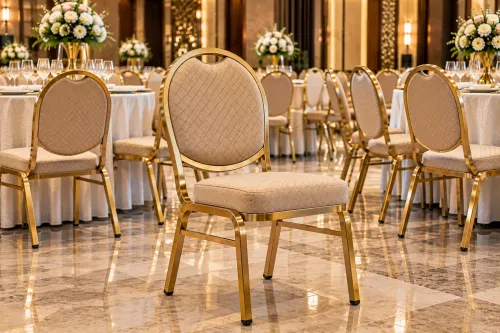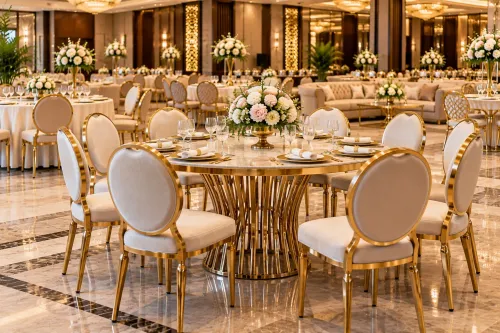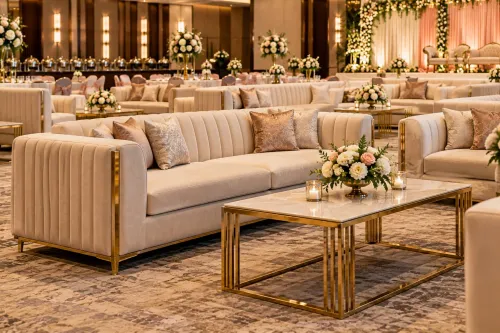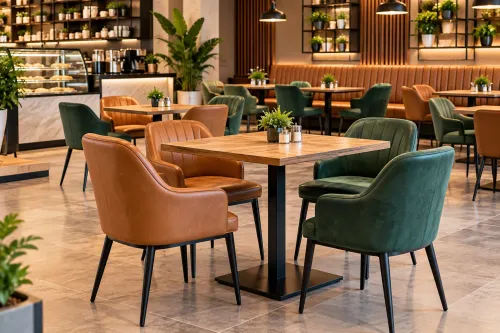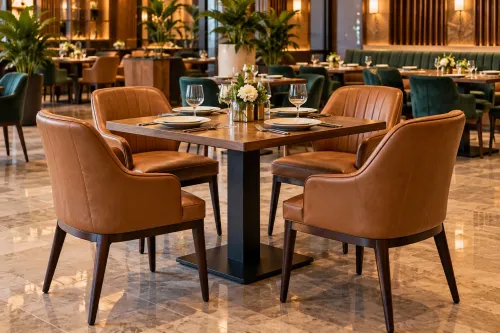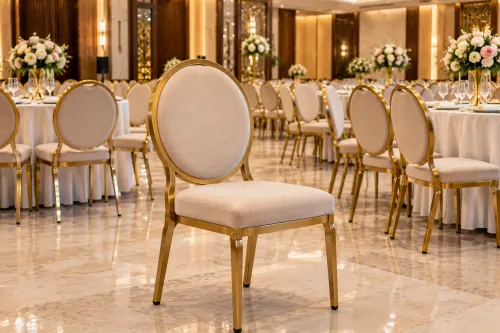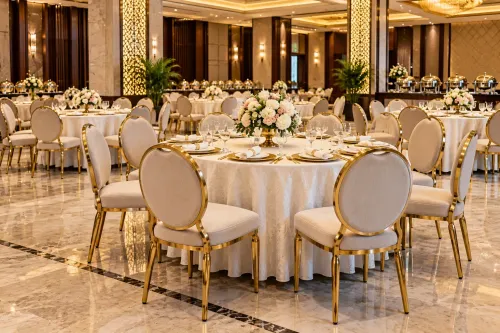
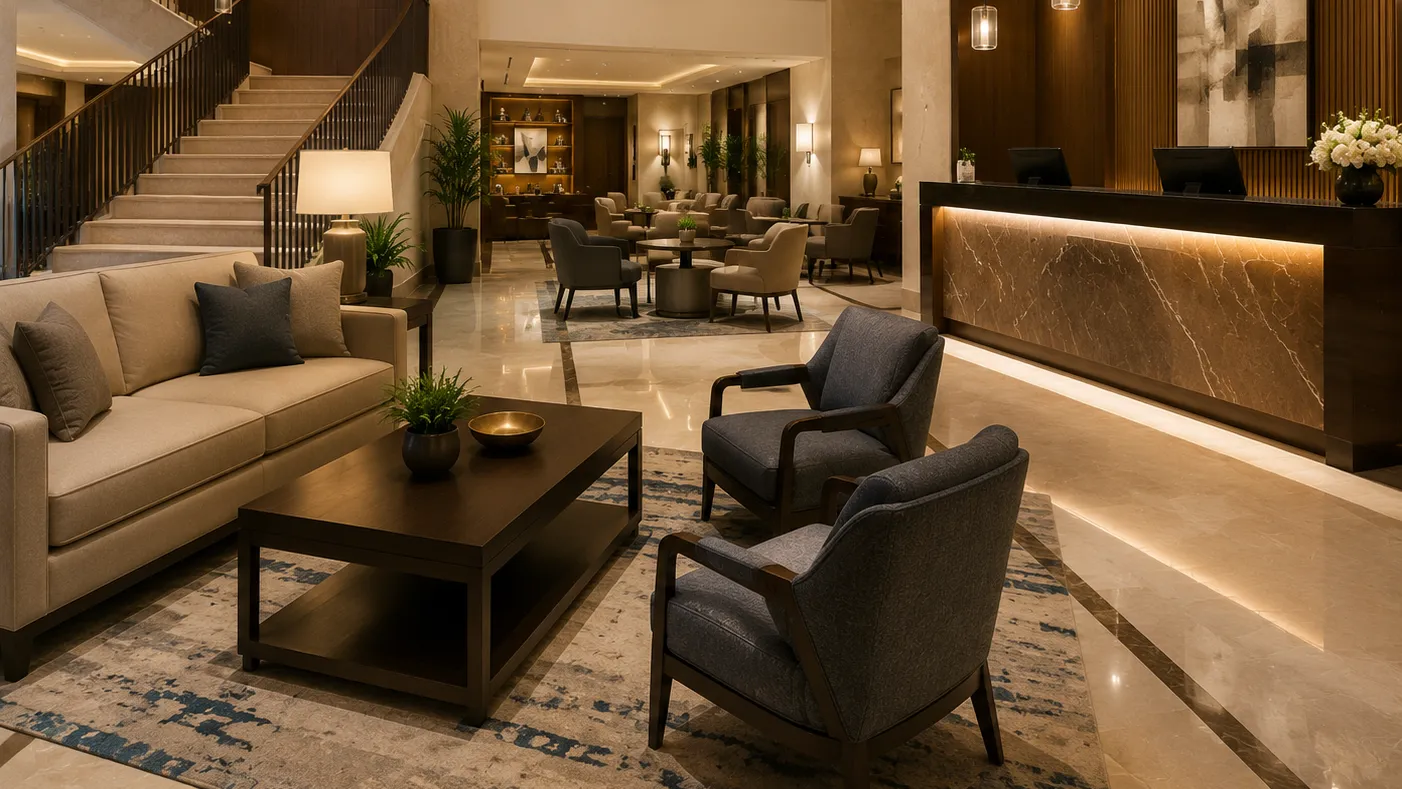
Hotels require furniture that performs very differently from furniture intended for occasional residential use. Guest rooms, reception areas, lounges and other hospitality spaces experience continuous activity, making material quality and practical design important considerations.
When evaluating Hotel Furniture in Delhi, property owners should begin with the operational requirements of each area. Delhi's hospitality market includes business properties, boutique hotels, premium accommodation and institutional guest facilities, each with different furniture needs.
Start With the Function of Each Space
A hotel contains several environments within one property. Furniture suitable for a bedroom may not work effectively in a lobby.
Guest rooms typically require pieces that support sleeping, storage, working and relaxation. Reception spaces require furniture capable of handling frequent use while maintaining a welcoming appearance.
Before choosing designs, prepare a room-wise requirement list covering:
- Guest bedrooms
- Suites
- Reception areas
- Lobby spaces
- Corridors
- Waiting areas
- Business areas
- Common lounges
This prevents unnecessary purchasing and helps maintain consistency.
Check the Construction
A polished surface can make furniture attractive in a showroom, yet buyers should look beyond the finish.
Examine how the structure has been assembled. Joints, frames, support points, hardware and edge finishing all affect performance.
For upholstered pieces, assess frame stability and cushioning. For storage furniture, check drawer movement, hinges and handles. Large hotel projects should also consider whether quality can remain consistent across the complete production quantity.
Select Finishes With Maintenance in Mind
Hotels require regular housekeeping. Furniture surfaces therefore need to suit repeated cleaning.
Highly delicate finishes may demand more maintenance than the property's operating model allows. Selecting a finish should involve discussion with housekeeping and operational teams as well as interior designers.
Dark finishes may create a particular visual character, while lighter finishes can help compact rooms appear more open. The final decision should suit the design concept and practical maintenance requirements.
Consider the Delhi Hospitality Environment
Delhi properties can experience dust, heavy occupancy and substantial variation in seasonal conditions. Furniture specifications should reflect the actual environment in which products will be used.
The surrounding neighbourhood can also influence design expectations. A corporate property may require a different visual language from a boutique accommodation concept.
Furniture planning becomes more effective when local operational conditions are considered alongside appearance.
Evaluate Dimensions Before Bulk Production
Room dimensions can vary even within the same building. Columns, electrical points, windows and circulation areas may affect furniture placement.
Creating detailed measurements before production helps prevent common problems such as obstructed movement and poorly positioned storage units.
For projects with repeated room layouts, a sample room can be useful. Decision-makers can examine proportions, clearances and usability before approving a larger manufacturing quantity.
Think About Replacement and Expansion
Hotels occasionally renovate rooms in phases. Additional furniture may also be required when new areas are opened.
Maintaining clear specifications for dimensions, materials and finishes can simplify future procurement.
The Comfort Seatings can work with project requirements where hospitality businesses need furniture developed around particular layouts and design specifications. Clear documentation during the initial project can make subsequent requirements easier to coordinate.
Involve Operational Teams Early
Furniture decisions are sometimes made primarily by project designers. Operational staff can provide another valuable perspective.
Housekeeping teams understand cleaning challenges. Property managers understand guest usage patterns. Maintenance teams know which construction details are difficult to service.
Bringing these perspectives together can lead to more practical furniture choices.
Well-planned Hotel Furniture in Delhi should support guest comfort, interior aesthetics and everyday hotel operations. Instead of making decisions based only on catalogue appearance, buyers can achieve better results by examining construction, dimensions, maintenance and actual usage conditions before placing a substantial project requirement.
Keywords