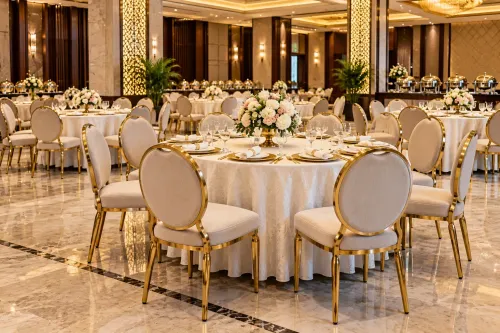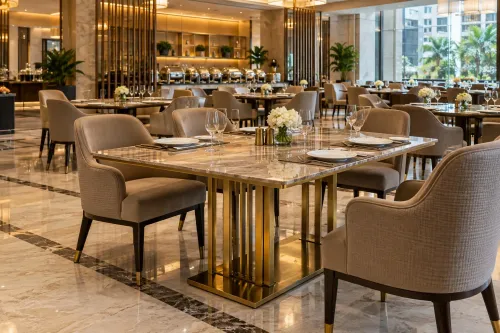
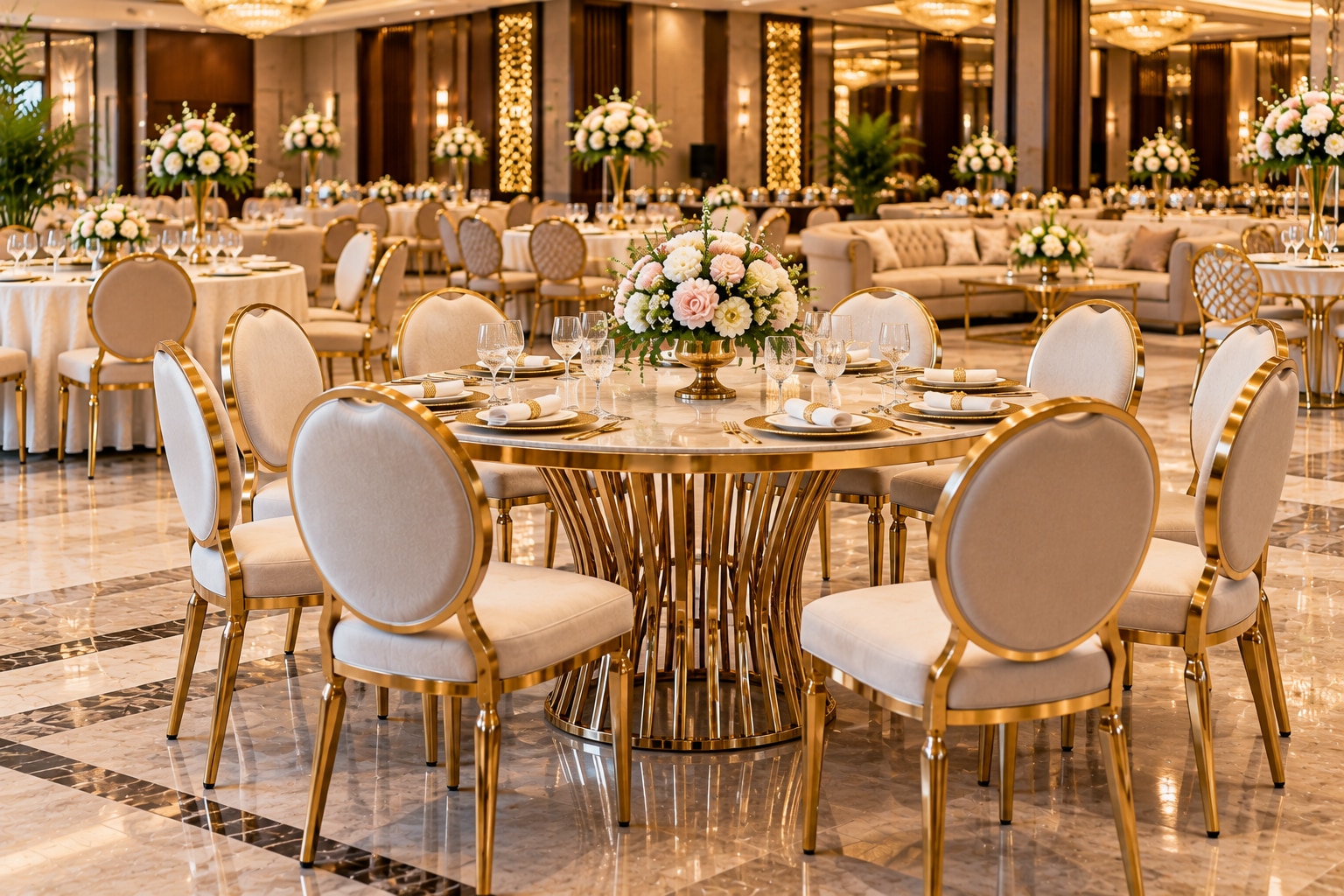
Luxury banquet furniture is not defined by a glossy photograph or the words premium and hotel grade. Before you release a bulk order, you need a measurable specification, a production-intent sample, and a contract that connects the approved chair to its test evidence, finish, warranty and delivery conditions.
Key takeaways
- Request model-specific frame, foam, upholstery, finish and warranty specifications.
- Inspect welds, joints, tube gauge and load ratings on a factory sample.
- Test upholstery, foam and finishes against spills, heat, abrasion and frequent handling.
- Attach the approved sample, tolerances and delivery schedule to your purchase contract.
Define luxury through construction, not appearance
Luxury banquet furniture is separated from ordinary event seating by load-bearing construction, repeatable tolerances and service life—not shine, gold trim or a high price. Compare banquet furniture manufacturers in Delhi using measurable evidence: frame material, tube gauge, weld continuity, joint design, load rating, foam build-up, upholstery grade, stitching, finish and warranty.
A polished chair with thin tubing, rough welds or loose joints will fail faster than a plain chair built for repeated stacking and handling.
| Check | Construction that indicates luxury | Evidence to compare |
|---|---|---|
| Frame | Specified steel or aluminium grade, consistent tube gauge and reinforced joints | Material certificate, tube dimensions and stated load rating |
| Welds and joints | Continuous, clean welds without sharp projections, cracks or visible porosity | Close-up inspection and a rocking test on a flat floor |
| Seat build | Foam density, firmness, thickness and upholstery fixed as separate specifications | Values in kg/m³, indentation-force rating, fabric grade and seam sample |
| Finish | Even powder coat, polish or veneer direction, with treated welds | Approved colour sample and cleaning instructions |
| Support | Defined warranty, replacement parts and repair response | Written exclusions, service timeline and availability of glides or reupholstery |
Before comparing quotations, require each manufacturer to provide:
- A model-specific drawing and bill of materials; a seating test report does not automatically cover a chair with different legs, shell, upholstery or fixings.
- Fire-test evidence naming the exact components tested. California TB117-2013 evidence for upholstery components is not proof that the complete supplied chair meets every commercial fire requirement.
- A production-intent sample tied to photographs, dimensions, foam build-up, hardware, finish and visible tolerances before approving the batch.
- Warranty terms that separate manufacturing defects from misuse, consumables and site damage.
Demand a model-specific technical specification sheet
Before approving a chair model, obtain a signed specification sheet identifying the exact production version, not a catalogue family. It should carry a model code, revision date, scaled drawing, photographs and bill of materials; a frame change or different upholstery build can make an old test report irrelevant.
Ask the manufacturer to state:
- chair dimensions: overall width, depth and height, plus seat width and usable seat depth
- seat height from finished floor, arm height if fitted, chair weight and packaged dimensions
- maximum user load, maximum stack count, stack height and storage footprint
- stacking condition: arms, upholstery and protective covers fitted or removed
| Evidence to obtain | What it must identify | Why it matters |
|---|---|---|
| Load or seating test report | Exact model, frame, legs, joints and rated load | A transferable report cannot prove the supplied version |
| Fire-test report | Cover fabric, thread, interliner, foam, barrier and substrate | BS 5852 or California TB117-2013 covers the tested construction, not every chair |
| Finish specification | Pretreatment, coating system, film thickness and test method | Colour and “scratch resistant” do not define durability |
| Delivery and storage sheet | Packaged size, lift and door clearances, safe stack height | A compliant chair can still fail your route or storage plan |
Confirm the report dates, laboratory identity and sample photographs, then compare every detail with the approved drawing. Check Delhi site access before ordering: lift dimensions, stair turns, door clearances, loading-bay restrictions and storage conditions can overturn a technically suitable choice.
Use a factory sample to expose build defects
Approve one production-intent chair before authorising the bulk batch. A showroom sample can hide substitutions; a factory sample inspection reveals whether the proposed construction survives handling, stacking and daily use.
1. Match the sample to the approved drawing and bill of materials. Record seat height, overall dimensions, chair weight, stack height, maximum stack count, load capacity, frame material, tube gauge, foam build-up, upholstery, hardware, glides and fixing method.
2. Examine every weld under bright light. Check for continuous, even beads without pinholes, cracks, sharp spatter or excessive grinding. Poor weld quality often appears first where legs meet the frame or where a rear support joins the side rail.
3. Test joint construction by placing the chair on a flat floor and rocking it diagonally. Any wobble, clicking or visible joint movement is a rejection point. Inspect exposed edges and underside surfaces for burrs, unfinished metal, loose staples and protruding screws.
4. Sit in the chair, shift your weight, and lean against the backrest. Listen for creaks and check whether the frame twists, the seat bottoms out or the upholstery pulls at seams. Repeat the test after placing the stated maximum user load.
5. Stack the stackable banquet chairs repeatedly. They should align without scraping, bind-free legs or crushed upholstery. Measure the actual stack height and confirm it fits your storage area and delivery route.
Photograph the approved sample from every side, including seam locations, veneer direction, powder-coat colour, glides and visible tolerances. Attach those images and measurements to the purchase order so a cheaper substitute cannot pass as the same model.
Compare foam, upholstery and finish under real venue conditions
Do not approve a seat after a five-minute showroom sit. Test it for 30 minutes, then inspect whether the cushion bottoms out, the cover wrinkles, or the frame transfers pressure to your thighs. Delhi venues expose furniture to repeated loading, dust, heat during transport and air-conditioned interiors.
| Feature | Compare | Real-venue check |
|---|---|---|
| Foam | High-resilience foam with stated density in kg/m³, firmness by indentation-force method, thickness and tolerance | Reject quotes saying only “high-density”; low firmness can bottom out while dense foam can still feel hard |
| Cover | Polyester upholstery against velvet banquet chairs or other textured fabrics | Rub, stretch and inspect seams; dark covers reveal dust, while velvet shows pressure marks and directional shading |
| Finish | Powder coating with pretreatment, coating system, film thickness and test method | Check edges, weld zones and leg ends after stacking; ISO 12944 describes corrosion environments, not handling abrasion |
Ask for a fire report naming the exact cover fabric, thread, interliner, foam, barrier and substrate. California TB117-2013 evidence covers the tested components, not every complete chair; BS 5852 uses specified ignition sources and is not a universal certificate. A changed foam, barrier or fixing method breaks the comparison.
View ten chairs together under the venue’s lighting and photograph them beside the approved sample. Check colour, sheen, pile direction, seam alignment, piping thickness and exposed powder-coat shade. Require the supplier to identify the production batch and replace pieces that visibly differ.
Tie the approved sample to the contract and delivery plan
The approved production-intent sample must become a controlled reference, not a showroom memory. Attach its photographs, signed drawing, bill of materials and sample ID to the purchase order, then state that substitutions require written approval.
1. Record every identity detail: model code, dimensions, seat height, chair weight, stack count, frame tube gauge, weld finish, hardware, glides, seam locations, veneer direction and acceptable visible tolerances.
2. Specify performance details, not marketing labels. State foam density in kg/m³, foam firmness by the agreed indentation-force method, thickness and tolerance. Add the powder coating specification: pretreatment, coating system, film thickness and test method. “Scratch resistant” and a colour name are not enough.
3. Define evidence and inspection. Tie any seating test report to the exact frame, legs, seat shell, upholstery build-up and fixing method ordered. If California TB117-2013 documents are supplied, identify the tested components and confirm that construction matches the delivered chair.
4. Set the delivery gate. Before dispatch, require photographs, quantity reconciliation and approval of a pre-dispatch inspection. For Delhi furniture delivery, confirm lift dimensions, door clearances, stair turns, loading-bay restrictions, packaged dimensions, storage conditions and safe stack height.
5. Write the banquet furniture warranty in usable terms: coverage period, excluded damage, response time, replacement-part availability, repair responsibility and the documents needed to make a claim. The Comfort Seatings, like any supplier under review, should answer those points in writing rather than leave support to verbal assurances.
Related products
 | Banquet Chair Enhance the elegance of your event spaces with premium-quality banquet chairs from The Comfort Seating. View product → |
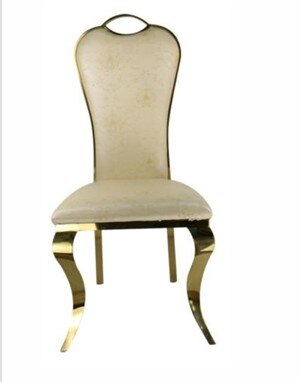 | Banquet Chair At The Comfort Seating, we focus on both aesthetics and functionality. View product → |
Frequently asked questions
How do you define luxury banquet furniture beyond appearance?
Judge load-bearing construction, repeatable tolerances and service life. Check frame material, tube gauge, weld continuity, joint design, load rating, foam build-up, upholstery grade, stitching, finish and warranty.
What should a model-specific technical specification sheet include?
Request the exact model name or code, frame material, tube gauge, joint and weld details, load rating, foam density and thickness, upholstery specification, stitching, finish system and warranty terms.
Why inspect a factory sample before ordering banquet furniture?
A physical sample exposes incomplete welds, uneven joints, unstable legs, poor alignment, inconsistent upholstery, weak stitching and finish defects that photographs can hide.
How should you compare banquet furniture for real venue conditions?
Check foam recovery, upholstery resistance to spills and abrasion, cleanability, finish durability and handling performance under the traffic, cleaning routine and storage conditions of your venue.
What should the banquet furniture contract and delivery plan record?
Attach the approved sample and model-specific specification sheet. Record acceptable tolerances, materials, finish, upholstery, inspection rights, replacement terms, delivery milestones and the consequences of deviations.
Related products
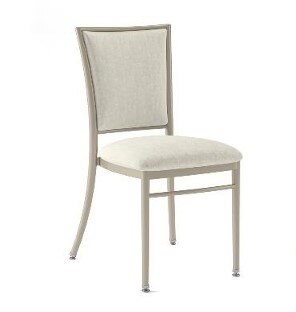 | Banquet Chair Enhance the elegance of your event spaces with premium-quality banquet chairs from The Comfort Seating. View product → |
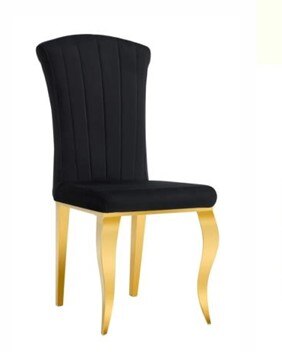 | Banquet Chair At The Comfort Seating, we focus on both aesthetics and functionality. View product → |
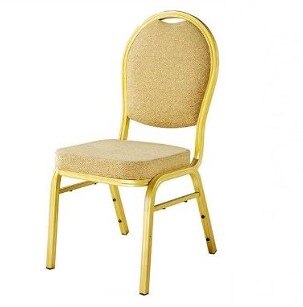 | Banquet Chair Enhance the elegance of your event spaces with premium-quality banquet chairs from The Comfort Seating. View product → |
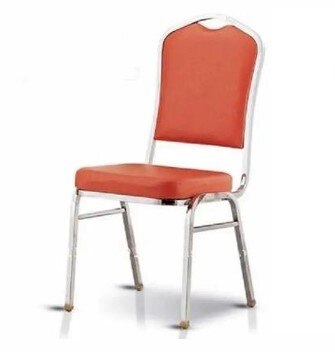 | Banquet Chair Enhance the elegance of your event spaces with premium-quality banquet chairs from The Comfort Seating. View product → |