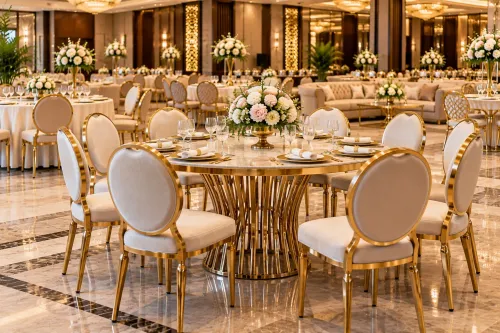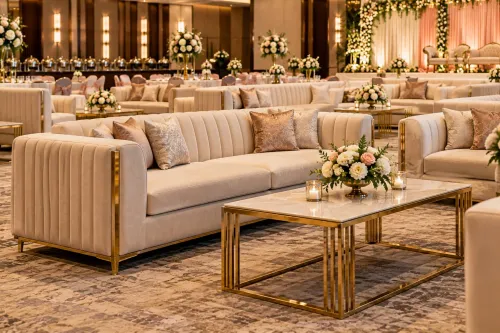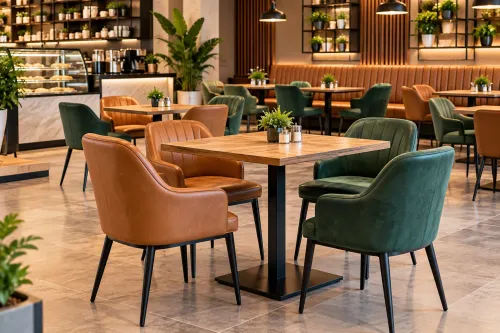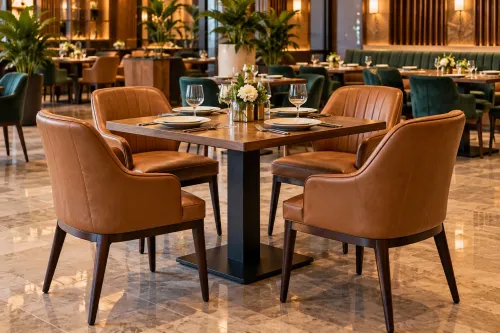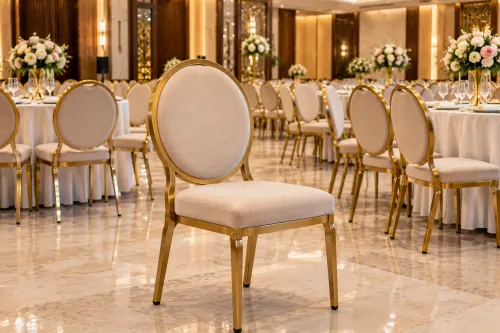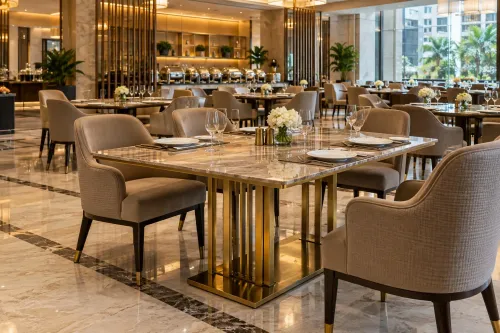
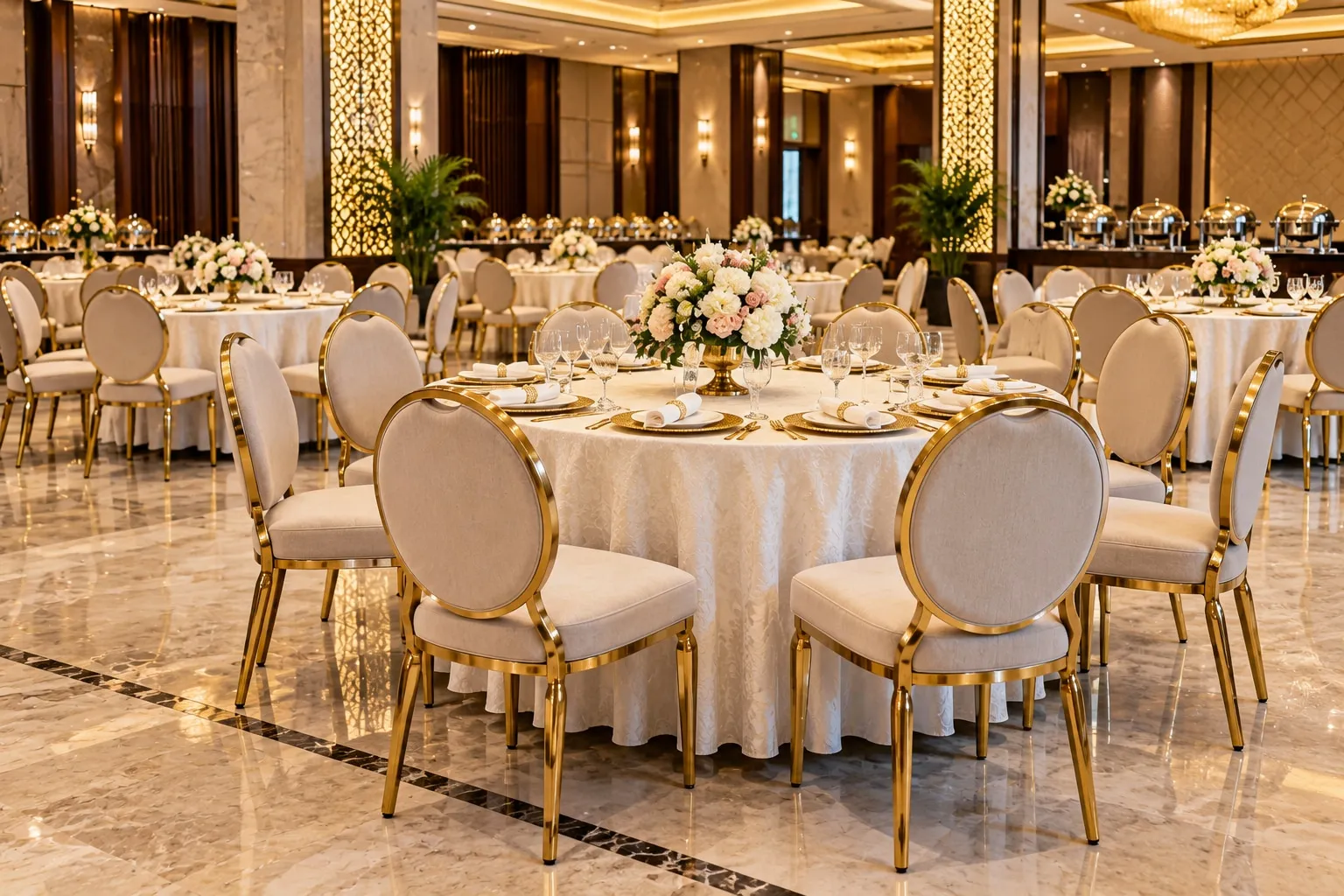
A catalogue can show a chair’s colour and a table’s shape without revealing whether the furniture will survive transport, repeated setup, spills, uneven floors and crowded service routes. Use the checks below to compare dimensions, construction, safety evidence, cleaning requirements and total handling cost before approving a production order for your venue.
Key takeaways
- Inspect assembled chairs for loose fasteners, joint cracks, weld fatigue and leg splay.
- Measure room dimensions, table layouts, aisles, exits and storage before ordering.
- Test finishes and cleaning methods under the venue’s real operating conditions.
- Compare safety documents, delivery terms, installation and the complete delivered cost.
Inspect the construction, not just the showroom finish
A chair that feels solid for ten seconds can still fail after repeated stacking, dragging and guest use. Inspect every sample as an assembled unit, because loose fasteners, cracked seat-to-frame joints, weld fatigue and leg splay often appear only when the complete chair is loaded.
Use this banquet furniture inspection checklist before approving a supplier:
1. Place the chair on a flat floor and press each corner. Any rocking, uneven leg contact or movement at the banquet chair frame joints indicates poor alignment or a weak connection.
2. Inspect every weld for continuous penetration, even finishing and freedom from pinholes, sharp projections or visible cracks. Poor weld quality can fail under repeated stacking even when the frame looks straight.
3. Tighten and pull the fasteners by hand, then lift the chair by its seat and back. Check for spinning screws, missing washers, stripped holes and movement between the seat, upholstery and frame; this exposes weak fasteners and seat fixing.
4. Sit down, shift sideways and lean against the back. Reject a chair that twists, creaks, develops leg splay or leaves a gap where the seat joins the frame.
5. Examine the table as a complete assembly. Push laterally on each corner and along the edge to reveal wobble, racking, loose leg hardware, poor edge finishing or a folding lock that could release.
Approve one production sample before releasing the full order. Record its colour, sheen, stitching, weld finish, hardware, packing method and any surface damage so the delivered batch matches the tested construction.
Demand dimensions that match your room and guest layout
A 760 mm table is not automatically comfortable: confirm that its underside leaves enough legroom for the chair, guest posture and table linen. Measure the assembled setting, because armrests can collide beneath the top even when the catalogue dimensions appear compatible.
Record these banquet chair dimensions for every proposed model:
- Overall height, seat height, seat width and depth, measured with upholstery compressed by normal use.
- Chair footprint, including rear legs, front legs and any arms that extend beyond the seat.
- Safe stacking height, total stacked height at the approved quantity, and the trolley height when fully loaded.
| Measurement | Practical check | Failure if ignored |
|---|---|---|
| Seat height | Compare 450–480 mm against the table height, usually 740–760 mm | Knees hit the underside or feet cannot rest comfortably |
| Seat width and depth | Allow clearance between adjacent chairs and sufficient thigh support | Guests sit sideways, crowd each other or obstruct service |
| Chair footprint | Plot the actual leg spread on the room plan | Rows become tighter than expected |
| Stacking height | Record the safe stack count and trolley compatibility | Storage space or trolley capacity is exceeded |
| Table size and shape | Match each top to its guest count and serving pattern | End seats lose elbow room and dishes occupy guest space |
| Leg clearance | Measure between legs and below the tabletop, including braces | Chairs cannot slide in fully |
Approve one production sample in the intended layout. Check chair spacing, armrest interference, table joining and stacked-chair height before releasing the full order; small differences multiply across aligned rows.
Calculate quantities around aisles, exits and storage limits
A room that appears to hold 20 tables may hold only 16 after circulation, catering movement, emergency exits and the dance floor are marked. Base the order on the peak banquet hall furniture layout, not the empty floor area.
1. Draw the largest approved guest arrangement to scale. Mark columns, toilets, buffet points, emergency exits and the stage access before placing furniture. Use the venue’s fire plan; if it gives no working dimensions, start with a 1,200 mm main aisle and 900 mm secondary aisles, then confirm with the venue manager.
2. Reserve the service route separately from guest circulation. A caterer needs a continuous path from the kitchen or loading point to every table, while performers need an unobstructed route to the stage. Removing either route later reduces your usable table count.
3. Calculate tables by actual table capacity: tables required = guests ÷ seats per table, rounded up. Base table capacity on the number of chairs that fit without blocking legroom or adjacent chairs, not the supplier’s maximum claim.
4. Calculate chairs as tables multiplied by the confirmed seating count, then add a written spare allowance, such as 5% for replacements and last-minute additions. Round up to whole chairs and tables.
5. Measure folded table stacks and chair stacks against the storage room, door, lift and delivery route. Include covers, trolleys and packing space; if storage holds 12 tables, do not order 20 without arranging phased delivery or off-site storage.
Test stability, finishes and cleaning performance in real conditions
Approve furniture only after testing it on the venue’s actual surfaces. Check table leg stability and chair rocking on carpet, tile joints, ramps and uneven stone; showroom concrete can hide a wobble that becomes dangerous during a crowded event.
Test each complete banquet table for vertical load, side-to-side racking and accidental collapse. Lean against the edge, operate the folding mechanism and lock several tables in a row. Narrow feet, adjustable glides and casters can improve handling while increasing rocking, point loading or snagging, so require floor-protection pads and a replacement-glide specification.
Use this on-site checklist:
- Push each chair from the front, side and rear, then confirm every leg remains planted without twisting.
- Inspect exposed steel after delivery and installation for scratches, bare edges and damaged weld areas. Specify powder coating thickness, pretreatment and edge coverage separately; decorative coating is not proof of outdoor corrosion resistance.
- Spill water on table edges, joints and cable or fastener penetrations. For lawns, terraces or semi-open areas, require sealed cut edges and a moisture-resistant substrate; ordinary particleboard and MDF are not waterproof.
- Perform upholstery cleaning and stain removal with the venue’s actual detergent, disinfectant and process on a spare sample. Request fabric composition, abrasion method and result, colourfastness, seam construction, cleaning instructions and replacement-cover availability. An abrasion rating does not prove resistance to bleach, oil or disinfectant.
Reject pieces that rock, swell, retain stains or lose colour after the trial. Record photographs and the approved cleaning method before accepting the order.
Compare safety evidence, logistics and the supplier’s delivered cost
Do not release the full order until the supplier has approved a production sample and documented exactly what you accepted: colour, sheen, weld finish, stitching, dimensions, packing method and hardware. Repeated rows expose small variations that a showroom sample hides.
Evidence to compare:
| Evidence | What to require | Why it matters |
|---|---|---|
| IS 17631 seating tests | Test method, applied load, cycle count, failure criteria and complete report for the assembled chair | A generic “commercial grade” claim does not prove durability |
| Commercial furniture load rating | Rated load for each chair and table, test basis and exclusions | Prevents unsuitable furniture being used for guests or service equipment |
| Fire documentation | Report covering fabric, foam, backing, adhesive and frame; confirm acceptance with the fire consultant or approving authority under the locally adopted National Building Code | “Fire retardant” fabric alone is not an acceptance certificate |
| Stacking and trolley data | Safe stack height, total height, trolley compatibility, maximum trolley load and damage limits | Excess stacking causes upholstery damage, leg splay and handling injuries |
Put these commitments in the purchase order:
- State delivery date, unloading point, upper-floor movement, assembly, debris removal and packaging responsibilities.
- Price the landed cost, including transport, installation, spare parts and replacement covers or cushions.
- Record lead times for glides, fasteners, chair seats, table locks and upholstery covers.
- Require inspection and replacement terms for loose fasteners, cracked seat joints, weld fatigue or damaged finishes.
The Comfort Seatings should provide these details in writing, not leave them to a sales conversation.
Related products
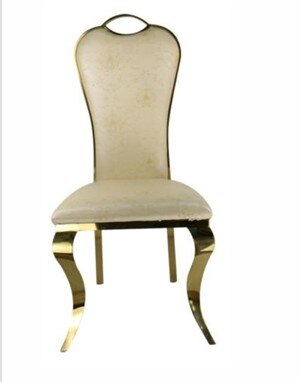 | Banquet Chair At The Comfort Seating, we focus on both aesthetics and functionality. View product → |
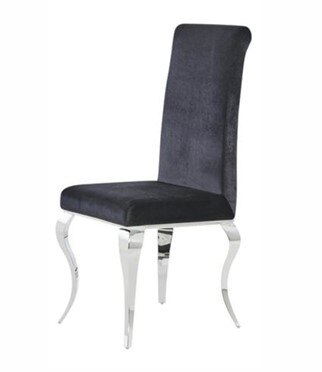 | Banquet Chair At The Comfort Seating, we focus on both aesthetics and functionality. View product → |
Frequently asked questions
How do you inspect the construction of banquet furniture?
Examine each assembled sample for loose fasteners, cracked seat-to-frame joints, weld fatigue and leg splay, then load and move it as staff would during events.
Which dimensions matter when selecting banquet furniture in Noida?
Measure the room, table footprint, chair width and depth, service routes, aisles, exits and storage area so the layout works for guests and staff.
How should you calculate banquet furniture quantities?
Base quantities on the chosen guest layout, required aisles and exits, service circulation, event turnover and the space available for stacked furniture.
What should you test before approving banquet furniture?
Test stability, stacking, finishes and cleaning with the movements, spills, cleaners and handling methods used in your venue.
What should you compare in a supplier’s delivered cost?
Compare furniture pricing with transport, unloading, installation, taxes, replacement parts, lead time, safety evidence and storage or packaging requirements.
Related products
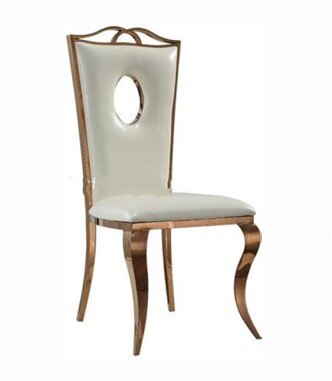 | Banquet Chair At The Comfort Seating, we focus on both aesthetics and functionality. View product → |
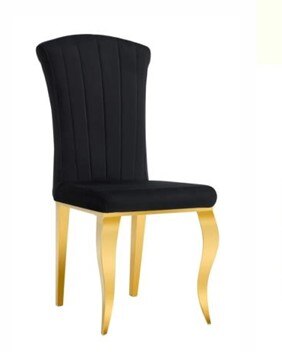 | Banquet Chair At The Comfort Seating, we focus on both aesthetics and functionality. View product → |
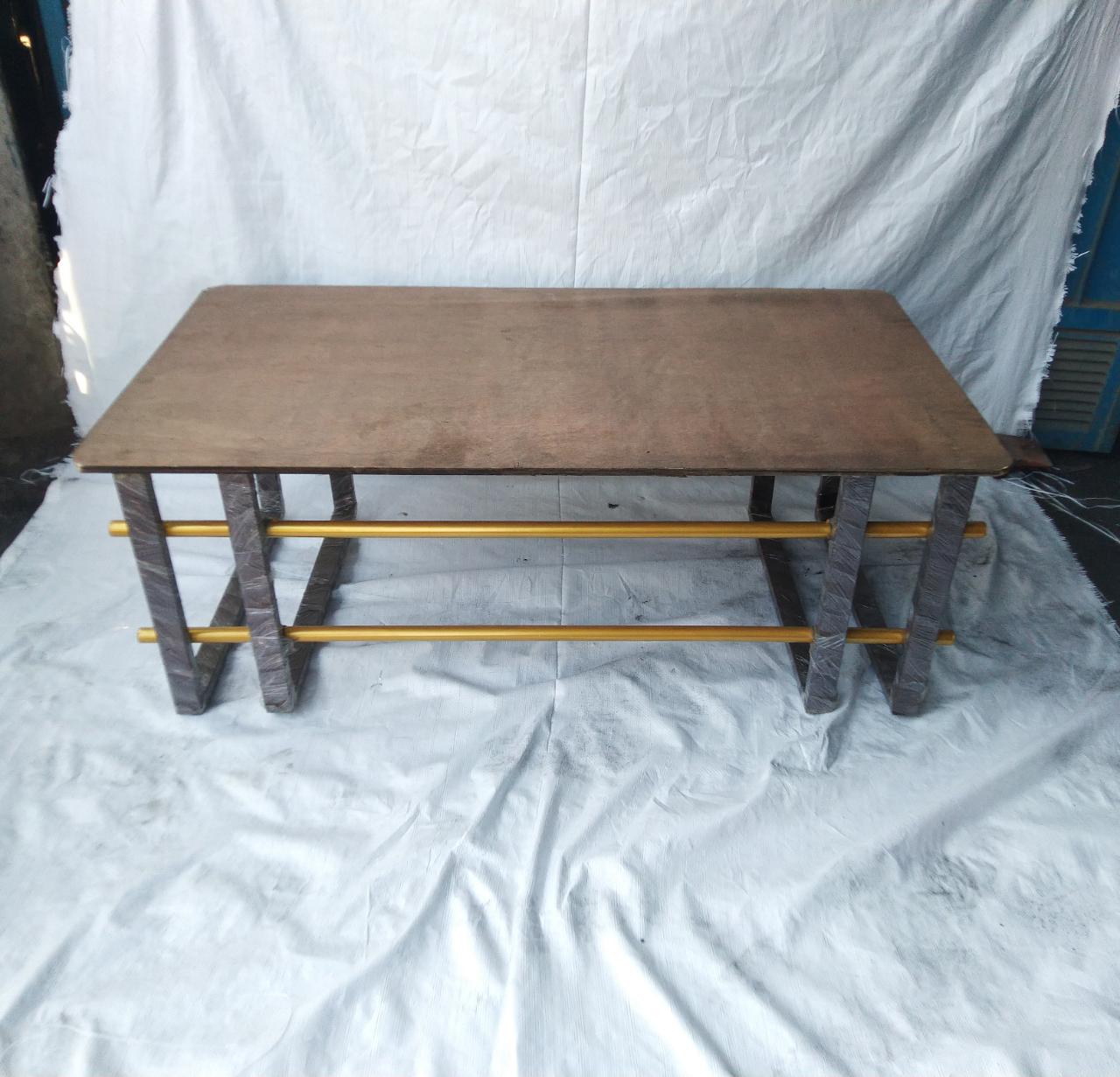 | Banquet, Hotel & Restaurant Table Table-4 Every piece is manufactured using carefully selected materials to ensure long-lasting performance, even in high-traffic environments such as hotels,... |
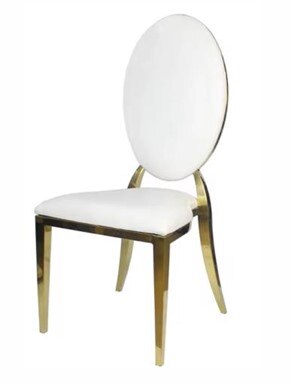 | Banquet Chair At The Comfort Seating, we focus on both aesthetics and functionality. View product → |