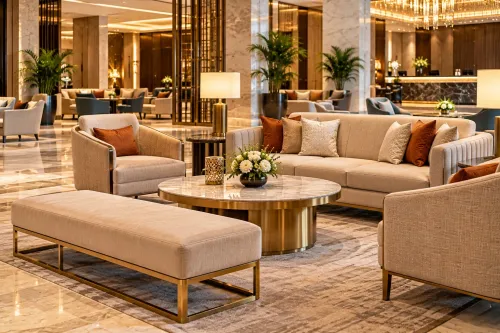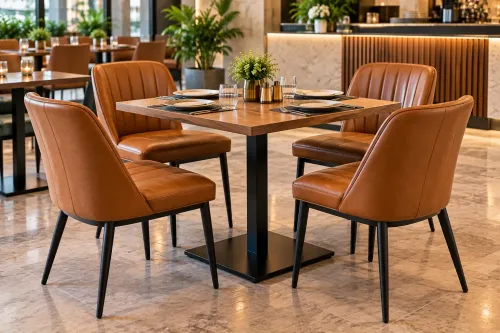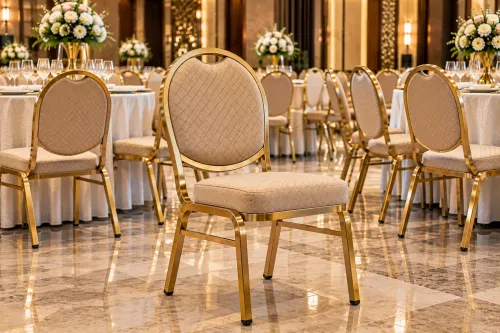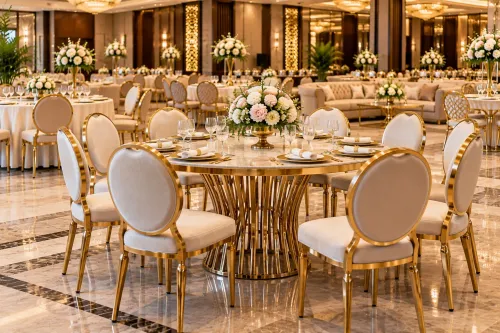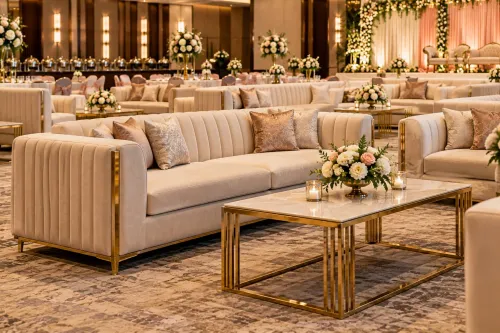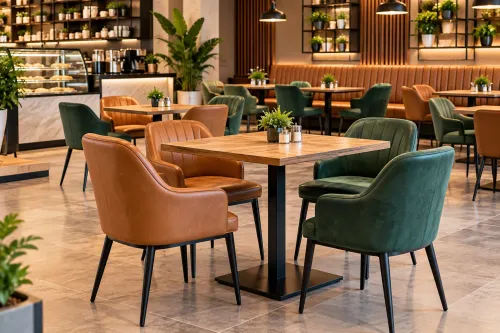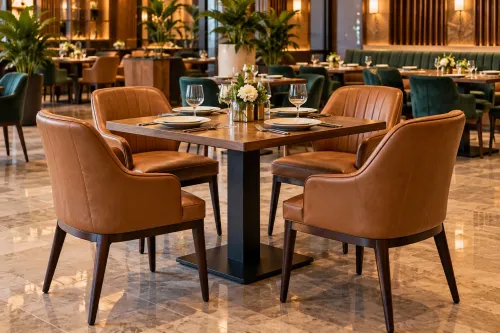
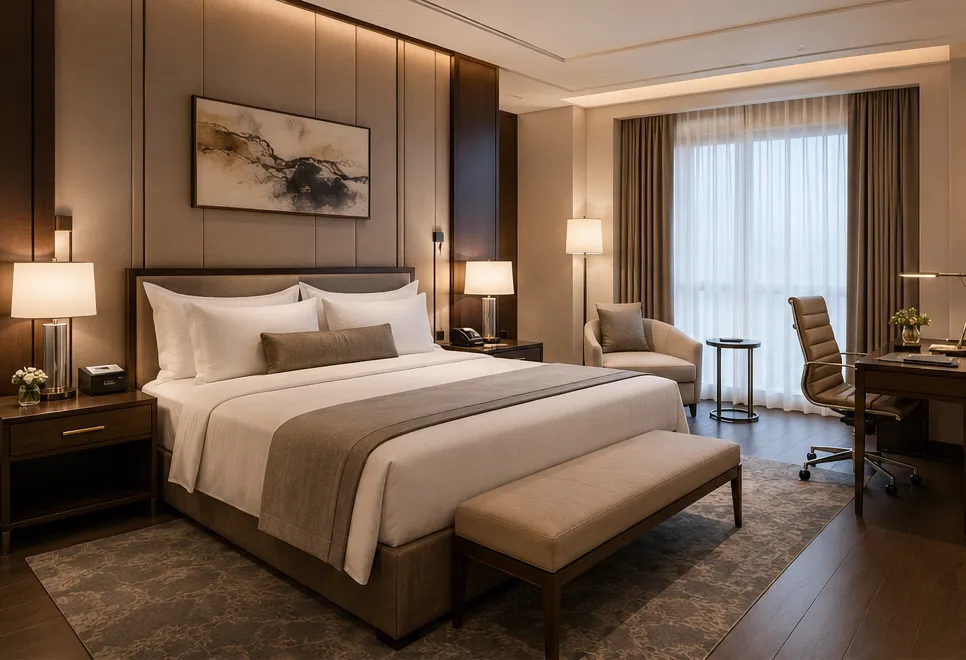
Luxury hospitality is built around details. Guests may first notice the architecture, lighting and décor, yet the furniture often determines how comfortable and functional the space feels throughout their stay. Well-planned Luxury Hotel Furniture supports the visual identity of a property while helping guests use bedrooms, lounges, reception areas and dining spaces comfortably.
For hospitality properties in Delhi, selecting furniture requires careful consideration of design, durability, maintenance and space planning. A visually impressive piece has limited value when it cannot withstand the demands of regular commercial use.
Furniture Is Part of the Guest Experience
Hotel furniture has both a practical and visual role. Guests interact with beds, bedside units, desks, lounge seating, wardrobes and lobby furniture throughout their visit.
Good furniture planning can contribute to:
- Comfortable movement within rooms
- Convenient storage for personal belongings
- Functional work and seating areas
- A consistent interior theme
- Better use of available floor space
- A polished hospitality environment
Furniture should therefore be considered during the interior planning stage rather than treated as a final decorative addition.
Commercial Durability Matters
Furniture in hospitality environments experiences more frequent use than furniture in most residential spaces. Seating may be used by numerous guests each day, while surfaces are cleaned repeatedly.
Material selection becomes particularly important.
Solid structural construction, suitable upholstery, dependable hardware and practical surface finishes can help furniture maintain its appearance under commercial conditions. Properties should also consider how easily individual pieces can be cleaned and maintained.
For Delhi hospitality businesses serving high guest volumes, this balance between appearance and durability can influence long-term furniture performance.
Design Should Reflect the Property
Luxury does not require excessive decoration. A boutique property may need distinctive furniture with custom detailing, while a contemporary business property may prefer clean lines and understated finishes.
Before finalising a design direction, hospitality planners should consider:
- Property positioning
- Guest profile
- Interior colour palette
- Room dimensions
- Lighting conditions
- Expected frequency of use
- Maintenance requirements
These factors help create furniture that belongs naturally within the overall environment.
Room Dimensions Should Guide Furniture Sizes
Oversized furniture can make even an attractive room feel congested. Furniture that is too small may leave the space looking unfinished.
Accurate measurements are particularly important for beds, wardrobes, desks, bedside units and lounge seating. Door openings, walking clearances and service access should also be considered.
Designers can use sample room layouts to evaluate dimensions before production begins. This is especially useful for projects involving multiple rooms with similar furniture requirements.
Upholstery Requires Practical Selection
Upholstery contributes strongly to the appearance of premium hospitality interiors, yet visual appeal is only one consideration.
Fabric should be evaluated for commercial suitability, cleaning requirements, texture and expected wear. The selected upholstery should complement the interior while remaining practical for routine housekeeping.
Colours and textures can then be coordinated with curtains, flooring, wall finishes and lighting.
Customisation Can Improve Interior Consistency
Custom manufacturing allows hospitality properties to coordinate furniture dimensions, finishes and detailing with the design concept.
The Comfort Seatings works with hospitality projects where furniture specifications may need to reflect particular dimensions and interior requirements. Custom planning can be particularly useful when standard catalogue sizes do not suit the property layout.
For architects and interior designers, early coordination with the manufacturer can also reduce conflicts between furniture dimensions and other interior elements.
Plan Beyond the Opening Day
Furniture should not only look impressive when a property opens. It should remain functional and visually appropriate after repeated use.
That makes long-term considerations important. Buyers should assess construction quality, surface maintenance, upholstery care and the possibility of future additions when planning a hospitality furniture package.
Thoughtfully selected Luxury Hotel Furniture brings together aesthetics, comfort and commercial practicality. For Delhi hotels aiming to create a refined guest environment, the strongest furniture decisions are usually those that consider design and daily operations together.
Keywords